News / Detail
Kohl's Stock Caught in Meme Frenzy, Soars in Reddit-Fueled Short Squeeze
Billy Jackson | 23 July 2025 | 19:49


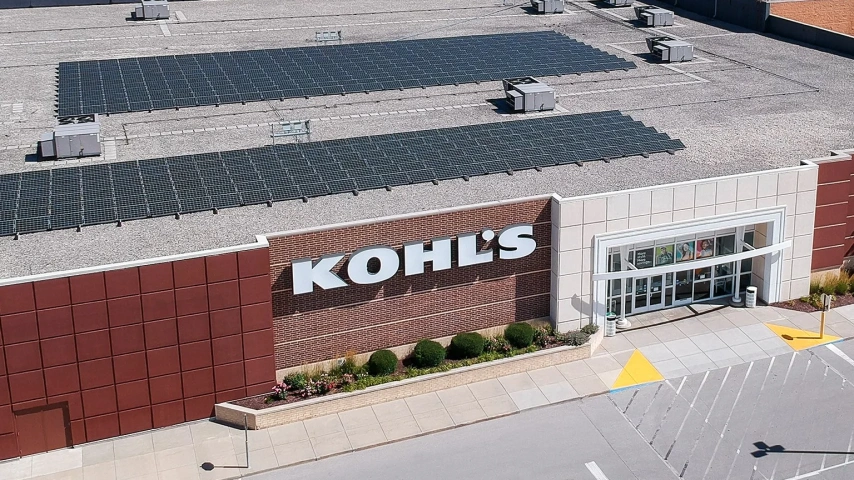
In a dramatic turn of events that has captivated Wall Street, department store giant Kohl's (NYSE: KSS) has become the latest company to be swept up in a "meme stock" frenzy. The retailer's shares experienced a colossal surge, at one point more than doubling in price, driven by a classic short squeeze orchestrated by retail investors on social media platforms. This sudden and massive rally has thrust Kohl's into the spotlight, trending heavily on Google as both amateur and professional investors grapple with the disconnect between the stock's explosive performance and the company's underlying fundamentals.
The phenomenon, reminiscent of the GameStop and AMC sagas, was ignited by chatter on forums like Reddit's WallStreetBets. Traders identified Kohl's as a prime target due to its high short interest, with data showing that a substantial portion of the company's available stock, or float, had been borrowed by investors betting on a price decline. This created a powder keg situation where a coordinated buying campaign could force these short-sellers to purchase shares to cover their positions, triggering a rapid and self-perpetuating price spike.
This surge is a testament to the power of social media to influence market dynamics, creating what one analyst called a "self-fulfilling" prophecy. The nostalgia associated with familiar, and in some cases struggling, consumer brands like Kohl's often plays a role in their selection by these online communities. The ensuing trading frenzy saw trading volume for Kohl's stock explode, with the number of shares changing hands at one point nearly eclipsing the entire float, illustrating the scale of the retail investor pile-on.
However, the dizzying heights reached by Kohl's stock stand in stark contrast to the company's recent financial performance. The retailer has been navigating a challenging landscape, marked by declining sales and struggles to maintain profitability. In its most recent fiscal quarter, Kohl's reported a net sales decrease and a loss per share, continuing a trend of underperformance that has worried analysts and long-term investors.
Wall Street analysts remain largely skeptical of the meme-driven rally, with a consensus rating leaning towards "Reduce" or "Sell." Price targets from investment banks like Goldman Sachs were recently in the single digits, a fraction of the stock's peak during the squeeze. This highlights a significant chasm between the speculative fervor of retail traders and the fundamental valuation based on the company's earnings and growth prospects.
Adding to the company's underlying challenges is a recent period of leadership instability. In a move that surprised many, Kohl's terminated its Chief Executive Officer, Ashley Buchanan, in the spring of 2025 after just a few months on the job. The dismissal was attributed to a violation of company policy involving undisclosed conflicts of interest, creating a leadership vacuum during a critical turnaround period.
Despite the turmoil, Kohl's is actively pursuing a strategic overhaul to regain its footing. The plan, now being overseen by an interim CEO, focuses on reinvigorating its proprietary brands, simplifying its promotional strategy to better appeal to its core customers, and enhancing the overall shopping experience across its stores and digital platforms. A key component of this strategy is a focus on providing clear value and quality to the middle-income consumers that form its base.
Central to this turnaround effort is the ambitious partnership with beauty retailer Sephora. Kohl's has been aggressively rolling out Sephora "shop-in-shop" locations within its stores, a move designed to drive foot traffic, attract new and younger customers, and bolster its underdeveloped beauty category. The company has expressed confidence that this long-term alliance will be a significant growth driver, with hundreds of Sephora locations now operational within Kohl's stores nationwide.
The current meme stock volatility comes after years of pressure from activist investors. Groups like Macellum Advisors and Ancora Holdings have repeatedly challenged Kohl's management and board, pushing for everything from board seat replacements and operational changes to an outright sale of the company. While Kohl's successfully defended against a proxy battle to take over its board, the persistent activist campaigns underscore a long-held belief among some investors that the company has been underperforming its potential.
Ultimately, the Kohl's saga is a tale of two competing narratives. On one hand, it is a business grappling with fundamental retail challenges, from declining sales to leadership uncertainty, while simultaneously executing a multi-faceted turnaround plan. On the other, it has become a symbol of the current market's speculative fever, where social media sentiment can temporarily eclipse traditional valuation metrics. For investors, the trending searches tell a story not just of a struggling retailer, but of a stock market where online buzz can create a tactical war zone, producing jaw-dropping swings that defy conventional analysis.
Related
-

Why Your Credit Score Dropped and What You Can Do About It
News03 August 2025
-
What Happens When You Miss a Debt Payment? Here’s How to Recover
News03 August 2025
-

Refinancing vs. Consolidation: What’s the Difference and Which One Works?
News02 August 2025
-
Is FIRE Still Achievable in 2025? A Reality Check
News02 August 2025
-

Paying Off Debt: Which Methods Work Best According to Research?
News01 August 2025
-

Best Passive Income Ideas That Actually Work in 2025
News30 July 2025
Editor's Pick
-
Why Your Credit Score Dropped and What You Can Do About It
03 August 2025 -
-
-
Is FIRE Still Achievable in 2025? A Reality Check
02 August 2025 -