News / Detail
The Sun-Powered Retailer: How Kohl's is Making Solar Energy Profitable and Planet-Friendly
Billy Jackson | 23 July 2025 | 20:08


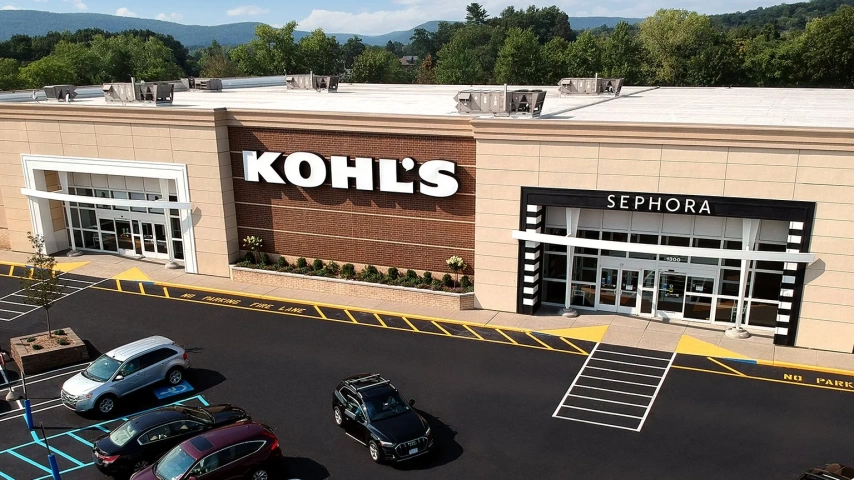
Kohl's, a familiar name in American retail, is quietly making waves in the world of sustainable energy. Beyond the familiar discounts and seasonal sales, the company is undergoing a significant transformation, incorporating solar energy into its operations on a large scale. This isn't simply a marketing ploy; it's a strategic shift toward environmentally responsible business practices that could reshape the retail landscape.The image of a Kohl's store adorned with a substantial solar panel array on its roof is becoming increasingly common. This seemingly simple addition represents a powerful statement: major retailers can actively contribute to reducing their carbon footprint without sacrificing profitability. The solar panels, strategically placed to maximize sun exposure, generate clean energy, offsetting the store's energy consumption and reducing its reliance on fossil fuels.
This initiative is not limited to a handful of pilot programs. Kohl's has embarked on a widespread deployment of solar energy across its vast network of stores. The scale of this undertaking is impressive, showcasing the company's commitment to long-term sustainability. The financial benefits are also substantial. Reduced energy bills translate directly into increased profitability, making the investment in solar energy a financially sound decision.
But the benefits extend far beyond the bottom line. Kohl's commitment to solar energy sends a clear message to consumers who are increasingly prioritizing environmentally conscious brands. In today's market, sustainability is no longer a niche concern; it's a key factor influencing consumer purchasing decisions. By embracing solar energy, Kohl's positions itself as a responsible corporate citizen and attracts environmentally aware shoppers.
The technological advancements in solar energy have played a crucial role in making this initiative feasible. Solar panels have become increasingly efficient and cost-effective, making them a viable option for large-scale deployment in commercial settings. The decreasing cost of solar energy has made it a compelling alternative to traditional energy sources, even for large retailers with significant energy demands.
Moreover, the move toward renewable energy aligns with broader societal trends and governmental policies aimed at mitigating climate change. Many governments are actively incentivizing the adoption of renewable energy through tax credits, subsidies, and other supportive measures. These policies create a favorable environment for businesses like Kohl's to invest in solar energy.
Kohl's strategy also demonstrates the potential for corporate leadership in driving the transition to a sustainable economy. By demonstrating the feasibility and profitability of large-scale solar energy adoption, Kohl's is inspiring other retailers to follow suit. This ripple effect could significantly accelerate the shift toward renewable energy within the retail sector.
The implementation of such large-scale solar projects requires careful planning and execution. Kohl's has likely partnered with experienced solar energy companies to design, install, and maintain the solar systems on its store
Tag
Related
-

Why Your Credit Score Dropped and What You Can Do About It
News03 August 2025
-

What Happens When You Miss a Debt Payment? Here’s How to Recover
News03 August 2025
-

Refinancing vs. Consolidation: What’s the Difference and Which One Works?
News02 August 2025
-

Is FIRE Still Achievable in 2025? A Reality Check
News02 August 2025
-

Paying Off Debt: Which Methods Work Best According to Research?
News01 August 2025
-

Best Passive Income Ideas That Actually Work in 2025
News30 July 2025
Editor's Pick
-
Why Your Credit Score Dropped and What You Can Do About It
03 August 2025 -
-
-
Is FIRE Still Achievable in 2025? A Reality Check
02 August 2025 -